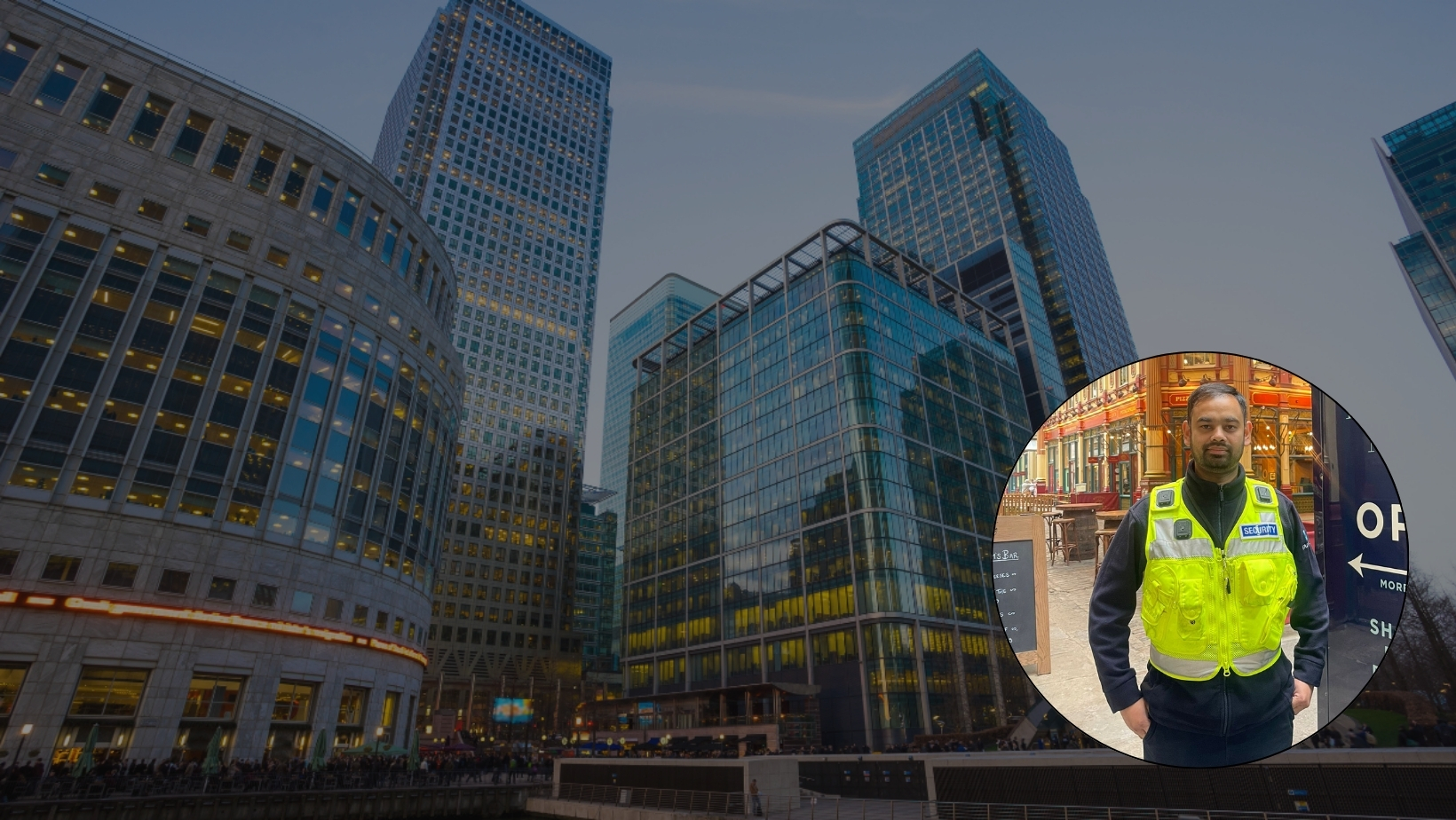
A proactive approach to health, safety and wellbeing is essential to protecting the people who protect your people, premises and assets.
Lone working is an established part of the security industry. From security officers undertaking overnight patrols and monitoring vacant premises to guarding personnel managing access points, construction sites and remote facilities, many frontline professionals spend significant periods working without immediate support from colleagues.
While lone working is often an operational necessity, it brings responsibilities that extend beyond simply ensuring an officer is present and carrying out their duties. Employers and organisations must consider the physical safety, mental health and overall wellbeing of the people working on their behalf.
As expectations around corporate responsibility, health and safety and employee welfare continue to evolve, businesses should be asking an important question: are we doing enough to protect the people responsible for protecting our organisations?
Understanding the risks of lone working
Lone working does not automatically mean that a role is unsafe. However, working without colleagues or direct supervision can increase the potential consequences of an incident.
For security personnel, risks can include:
- Verbal abuse, intimidation, threats and physical assault.
- Working in isolated or poorly lit environments.
- Medical emergencies or accidents without immediate assistance.
- Delayed responses to incidents due to a lack of nearby support.
- Fatigue, stress and the psychological impact of prolonged isolation.
- The cumulative effects of shift work, unsociable hours and exposure to challenging situations.
The Health and Safety Executive (HSE) specifically identifies security personnel as an example of lone workers who may face increased vulnerability to workplace violence, particularly where their responsibilities involve enforcing rules or challenging members of the public.
Importantly, the HSE also recognises that lone working can affect stress levels, mental health and wellbeing. This reinforces the need for employers to take a holistic approach to risk assessment, rather than focusing exclusively on physical hazards.
Mental health: An essential part of frontline worker protection
Physical safety is understandably a priority when considering security operations. However, the mental health of security officers deserves equal consideration.
Security professionals can regularly encounter stressful, unpredictable and sometimes confrontational situations. Long periods of working alone, night shifts, demanding environments and limited opportunities for social interaction can also create additional pressures.
For some individuals, these challenges may compound existing mental health difficulties.
This is an especially important conversation in a predominantly male occupational environment. The security industry also attracts people from a range of professional backgrounds, including former Armed Forces personnel and veterans. While military experience can bring valuable skills, discipline and resilience to the security profession, it is important to recognise that some individuals may also have experienced traumatic or challenging circumstances during their service.
We should not make assumptions about individuals based on their background. Equally, we should recognise that accessible, supportive working environments can make a meaningful difference.
The latest Office for National Statistics (ONS) suicide statistics for England and Wales, covering deaths registered in 2025, highlight the importance of continuing to address men’s mental health. The male suicide rate was 17.5 deaths per 100,000 males, compared with 5.5 per 100,000 females.
These figures are a stark reminder that men’s mental health cannot be overlooked. They also reinforce the importance of encouraging open conversations, reducing stigma and ensuring that people know where to turn when they need support.
Security employers have an opportunity to make a positive difference by creating working environments where officers feel valued, supported and comfortable raising concerns.
International Men’s Day: A timely reminder to prioritise wellbeing
This November, International Men’s Day takes place on 19 November 2026. In the UK, the day provides an opportunity to raise awareness of men’s health, wellbeing and the importance of positive conversations around mental health.
For the security industry, it is a particularly relevant opportunity to reflect on how we support the people working on the frontline.
A culture in which individuals feel they must remain constantly resilient, suppress concerns or manage difficult experiences independently is not conducive to a healthy workforce.
Instead, organisations should actively encourage a culture where asking for help is recognised as a positive step, not a sign of weakness.
For guarding providers, this means looking beyond operational performance and considering the people behind the uniform.
Practical measures can include:
- Regular welfare check-ins: Ensuring officers are contacted throughout their shifts, with opportunities to raise concerns beyond immediate operational matters.
- Accessible management support: Making sure officers know who to contact if they experience a difficult incident or are struggling with their wellbeing.
- Mental health awareness: Equipping supervisors and managers to recognise potential signs of stress, fatigue or distress.
- Appropriate signposting: Providing access to employee assistance programmes, mental health resources and specialist support services where available.
- A supportive workplace culture: Encouraging open conversations and ensuring that officers feel listened to rather than judged.
These measures should not be viewed as optional extras. They are an important part of responsible workforce management.
What does effective lone worker protection look like?
A robust lone worker strategy combines appropriate procedures, effective communication, suitable technology and meaningful management oversight.
For organisations procuring security services, it is important to understand what good practice looks like and what questions to ask potential guarding providers.
1. Comprehensive risk assessments
Lone worker risk assessments should reflect the actual working environment and duties being undertaken. A security officer guarding an isolated construction site overnight may face very different risks from someone working at a busy commercial reception.
Assessments should consider the location, hours of work, potential for confrontation, access to assistance, individual training requirements and relevant health and wellbeing factors.
2. Reliable communication and monitoring
Regular communication is fundamental. Officers should have clear reporting arrangements, agreed check-in procedures and access to a responsible point of contact.
Where appropriate, lone worker devices and monitoring solutions can provide additional reassurance. Depending on the system, these may include GPS location tracking, timed check-ins, emergency alerts and man-down functionality.
However, technology should complement effective management rather than replace it. A device is only as valuable as the procedures and people supporting its use.
3. Appropriate training and supervision
Security personnel should receive training relevant to their assignments, including conflict management, incident reporting, emergency procedures and personal safety.
Supervisors must also understand their responsibilities, including how to respond when an officer misses a scheduled check-in or reports an incident.
4. Post-incident support
The responsibility to protect an officer does not end when an incident is resolved.
Experiencing aggression, threats or a traumatic event can have lasting effects. Appropriate follow-up, welfare conversations and access to further support should form part of the incident management process.
5. A culture of accountability
Ultimately, lone worker protection must be embedded into the organisation’s wider health and safety culture.
Policies and procedures need to be understood, consistently applied and regularly reviewed. Employees should be encouraged to report concerns, and management should demonstrate that those concerns lead to meaningful action.
What should procurement teams look for in a guarding provider?
For procurement professionals, assessing a guarding provider can involve navigating unfamiliar terminology, technical solutions and operational requirements.
It is therefore important to look beyond the headline cost of a guarding contract.
A competitively priced service should still demonstrate how it will protect the people delivering it.
When evaluating potential security partners, consider asking:
- How do you assess and manage risks associated with lone working?
- What communication and monitoring arrangements are in place for officers working remotely or overnight?
- How do you respond when an officer misses a scheduled welfare check?
- What training do officers receive in conflict management and personal safety?
- What mental health and employee welfare support is available?
- How are incidents recorded, investigated and followed up?
- How frequently are risk assessments and operational procedures reviewed?
A knowledgeable security partner should be able to explain these arrangements clearly, demonstrate how they work in practice and tailor its approach to the client’s specific operational requirements.
This is where the value of an experienced security consultancy and professional guarding provider becomes particularly important. Effective security is not simply about deploying personnel; it is about understanding risk, developing appropriate control measures and ensuring those measures work for both the client and the workforce.
Building safer workplaces by supporting the people who protect them
The conversation around lone worker safety needs to continue evolving.
Organisations rightly invest in protecting their buildings, people, assets and reputations. However, the security professionals entrusted with delivering that protection must not be overlooked.
Physical safety, mental health and employee wellbeing are interconnected. A security officer who feels supported, properly trained and confident that assistance is available is better equipped to carry out their responsibilities effectively.
For clients, this means that responsible guarding provision is not simply a question of meeting a contractual requirement. It is an investment in a safer, more resilient and more sustainable security operation.
As we approach International Men’s Day this November, it is an important opportunity for the security industry to reflect on how it supports its predominantly male frontline workforce, while ensuring that wellbeing remains a priority for every individual, regardless of background.
At Frankton Group we believe effective security starts with people. Through our security consultancy expertise and professional guarding services, we work with organisations to understand their risks, develop practical solutions and deliver security arrangements that prioritise both operational effectiveness and the safety and wellbeing of frontline personnel.
If you are reviewing your current guarding arrangements, considering lone worker protection or looking to strengthen your approach to security risk management, our team would welcome a conversation.
Protecting your people starts with protecting the people who protect them.
Further reading and sources
The following reputable sources provide additional information and evidence supporting the themes discussed in this article:
1. Health and Safety Executive (HSE) – Lone working: Protect those working alone. Guidance covering employer responsibilities, risk assessments, violence, stress, mental health, training and monitoring. https://www.hse.gov.uk/lone-working/employer/
2. Office for National Statistics (ONS) – Suicides in England and Wales: 1981 to 2025. The latest published suicide registration statistics, including comparisons by sex and age. https://www.ons.gov.uk/peoplepopulationandcommunity/birthsdeathsandmarriages/deaths/bulletins/suicidesintheunitedkingdom/latest
3. International Men’s Day UK – 2026. Information about this year’s event, taking place on 19 November, and the UK theme of supporting men and boys. https://ukmensday.org.uk/2026-theme/
4. HSE – Protecting lone workers: How to manage the risks of working alone (INDG73). Practical guidance on protecting lone workers through training, supervision, monitoring and support. https://www.hse.gov.uk/pubns/indg73.htm
5. Samaritans – Latest suicide data. Additional statistics and information about suicide prevention and men’s mental health. https://www.samaritans.org/about-samaritans/research-policy/suicide-facts-and-figures/latest-suicide-data/